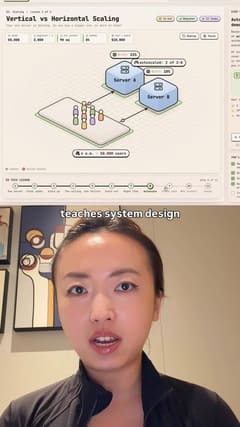
PART 5/12 ✶ Handling outages… Most developers never really think about this because it’s pretty rare. But it happened to me twice this year when Supabase, which is the database I know a ton of people use, went down 🫠 My app was down for 5+ hours and I got a lot of angry emails. People couldn’t log their food and they were very understandably frustrated. So now I’ve decided to handle it in a few ways. People can still log their food offline, and everything syncs once the database comes back.
Cloud coding agents are the biggest developer productivity unlock that not enough developers are actively using or talking about. Most people these days, when working on parallel agents, like to use GitHub worktrees, but in my opinion, cloud coding agents that are offered by products like Cursor and Devin, not sponsored by the way, are much better at handling parallel tasks at once. I wouldn’t be surprised if Codex and Claude launch their own cloud agent support with a dedicated desktop environm
Comment STACK and I'll DM you the list with links! My go-to tech stack after 30 projects 👩🏻💻 I switch tools depending on the project, token usage and cost. I started without a coding background, but had experience in product design, no-code tools and running an online business. I’m learning to code as I go. AI helps, but building still takes work! My tools: * Build: @replit @lovable.dev @claudeai @chatgpt * Design: @figma * Code + version history: @github * Database: @supabasecom * Dep
This AI agent knows my inbox better than I do, and it still can’t send a single email without me. Hedwig AI reads my mail and drafts the reply, then it waits in the outbox until I double tap to approve. Nothing goes out on its own. It also has a browsing agent called Flock that opens the sites I use, signed in as me, so I never explain the same thing twice. Free, no paywall ⚡ (comment “Hedwig” and I’ll send you the link to try it, straight to your DMs)
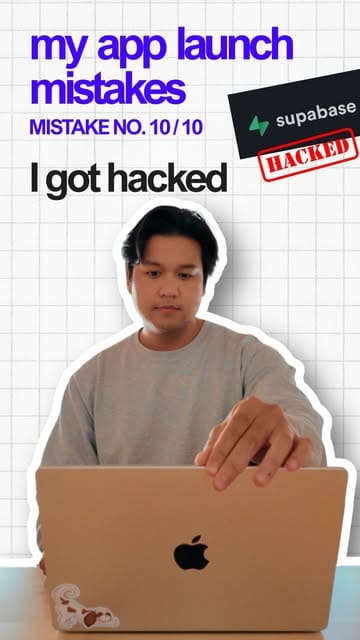
MISTAKE NO. 10/10 ✶ I got hacked 🤦♂️ Okay, here’s the detailed explanation of what happened, why it’s so common, and how to prevent it: It all boils down to one thing: I didn’t realize Supabase RLS only controls which rows a user can update, not which columns inside those rows. Supabase/Postgres does support column-level permissions, but they’re separate from RLS and I hadn’t configured them. You can’t just tell an RLS policy, “Let users edit this row except for this one column.” My policy
comment “memory” and I’ll link you my video about ai memory and setting up your own memory system everyone is releasing AI agents so here’s when you should use each one: - @chatgpt dot if all your work is already in ChatGPT - Hermes’ agent if you’re technical and want full freedom and customisation - @grok bot if you’re non technical and want a team of ai agents
How to build a full app in less than 5 minutes. This is part 1 of a series where I teach you how to build and grow a tech company from scratch. Reply writing “VibeCode” and I’ll send you a link to the platform I used in the video.
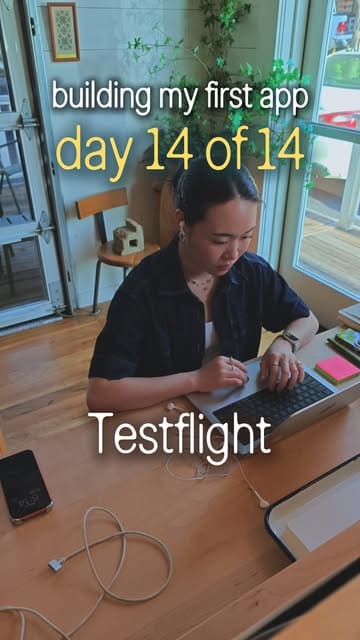
DAY 14/14 ✶ My app is finally on TestFlight! TestFlight is Apple’s app for testing, so people can download your app before it’s on the App Store. Apple reviews your first build before outside testers can get it, so yes, it can get rejected. Before I sent the link, I checked what works on my phone but could break, or isn’t safe, on someone else’s. The 4 from the video, and how to fix them: ✶ Minimum iOS version: the newest is iOS 27, so if that’s your minimum, anyone who hasn’t updated can’t do
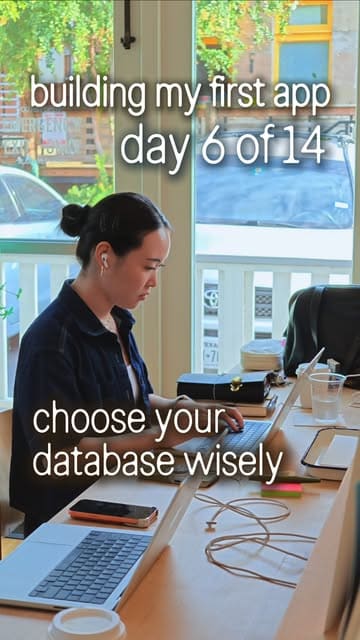
DAY 6/14 ✶ I spent today picking a database for my app and had no idea the choice between relational and non-relational mattered THAT much in the beginning👀 I’m a designer, and even back when I was an iOS engineer I never really touched the backend. Here’s the longer explanation I promised in the video! Non-relational (Firebase, what I normally use): every piece of data is its own separate document, like separate files in a folder. It’s extremely flexible, really easy to set up, and works offli
 BBrand

 Composio

 Supabase




 Cursor

 Replit









 Claude
 Apple