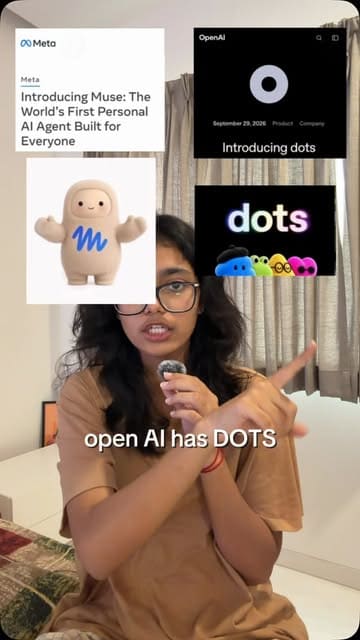
OpenAI launched Dots. Meta launched Muse. Elon Musk launched Grok Bot. Three personal AI agents in just a few weeks, and together they show exactly where AI is heading next. From 2023 to 2025, AI mostly answered our questions. Now AI agents are learning to take action: booking plans, managing emails, shopping and handling everyday tasks for you, end to end. The big race is no longer about who has the smartest chatbot. It’s about which agent understands you best and earns your trust to become pa
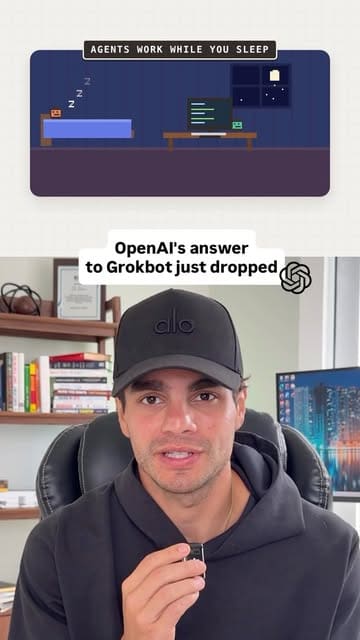
OpenAI just launched AI agents that can work while you sleep. 🤖💤 ⚡ Dots — Run tasks without constant prompting 🔗 4,000+ apps — Connect Dots to your existing workflow 🧠 Learns over time — Adapts to how you work 📱 Slack, Teams & ChatGPT — Message your agents from where you already work I tested Dots as a social media manager, and after a few iterations, it started creating scripts in my style on its own. Comment “Dots” and follow. I’ll send you the full breakdown + setup guide. 👇
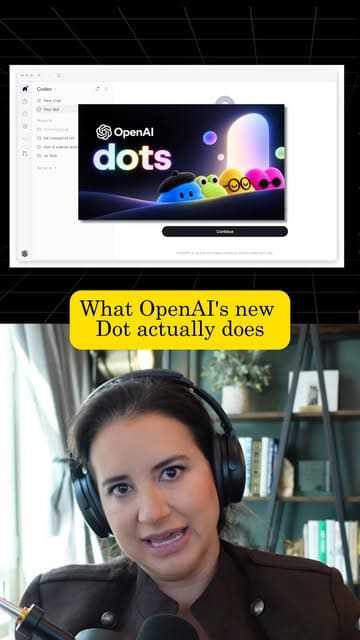
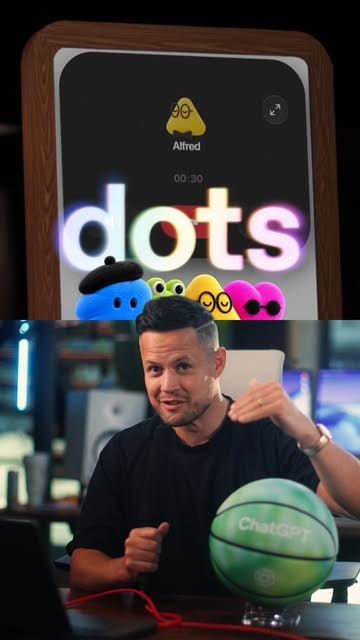
OpenAI has officially launched dots. And this is a massive deal because dots are a completely different category of AI product. dots are always-on agents inside of ChatGPT that handle ongoing work. Each dot has its own cloud computer and browser, which means they can keep working on tasks continuously while you’re away. Now the big question on everyone’s mind.…is how dots are different from the normal ChatGPT and Codex experiences. Think of it like this… ChatGPT and Codex are more reactiv
ChatGPT finally got an agent to manage your projects. OpenAI just dropped dots. Your dot is a persistent AI agent inside ChatGPT that remembers context, keeps working between conversations, and manages ongoing projects for you. You can talk to your dot, and it opens the ChatGPT conversations it needs, runs the work, and comes back when there’s a result to review or a decision it needs from you. I got to test email with mine early, and email + text messaging are being added too. So yes, you’
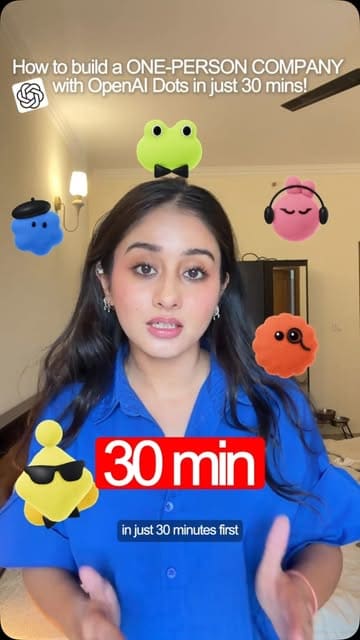
How to build a ONE-PERSON COMPANY with OpenAI Dots in just 30 minutes 👇 1. Create your Dot Give it a clear role and memory so it knows what to do and how you work. 2. Give it a computer Set up a workspace with Projects, Review Queue, Evidence, and Memory. 3. Connect your tools Connect Gmail, Calendar, Notion, Drive, and Sheets. Set rules for what your Dot can do automatically, what needs approval, and what it should never do. 4. Give it a workflow For my GTM agency, I asked my Dot to find 10
Stop prompting AI every morning. Instead, start setting up proactive agents (like Meta Muse, Instinct, or OpenAI Dots) so that it goes out, finds the information, and brings it back to you proactively. The initial set up looks like: giving them your goals, linking your email, docs and meeting notes, and handing each one a job. From there, they flag things back to you without you prompting. When you DO need to ask for something, keep it loose. My last prompt simply said "HALP" with two screens
From OpenAI Dots to Meta Muse to Instinct, this fall's AI releases are telling a similar story: away from assistants you have to manually prompt and toward agents that proactively check in on you/your tools. OpenAI released Dots two weeks ago. You set the goal once (say, a haircut three times a year), and your Dot keeps track of it and follows up so you don't have to remember. If you want to watch the full setup, follow and comment DOT to get the video 🤘
An AI agent emailed four of my friends from my inbox and picked which one I'd spend Saturday with. I gave OpenAI Dots a $500 budget and almost no rules, and the day itself was great (stamp workshop, art gallery, dinner at a place neither of us had heard of). Every part that went wrong was something I never told it: when to stop trying, when to text instead of email, when to ask me first. I think those rules are the actual skill for us to train with agents right now. If you're deciding which
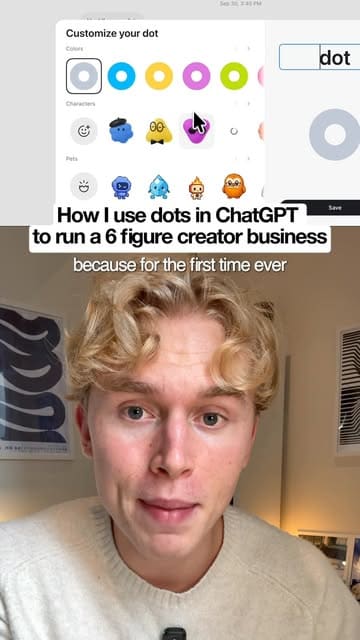
How I use dots in ChatGPT to run a 6 figure creator business. I’m still a full time college student, but I just got access to my own dot by OpenAI and it’s basically my first employee. It works 24/7 on its own computer. Here’s what mine handles: - Watches for inbound brand deals from my manager or the brand - Reads the brief and estimates how long the work will take - Checks my work and school calendars against the deadline - Drafts a message asking for more time when there’s a conflict (I ap
Big news for @ChatGPT! OpenAI just launched dots, always-on agents powered by GPT-6 Astra. You can give a your dot a goal, and it can keep working on it in the background. Each dot has its own cloud computer and browser, can connect to the apps you choose, and can handle multiple projects at once. The part I find most exciting is that it can take initiative. A dot can notice when something needs attention, look into it, and come back with progress or a question when it needs your input. It a
Comment “Dots” and follow. I’ll send you the full breakdown and setup guide. 👇 OpenAI Dots brings AI agents one step closer to working independently while you sleep. 🤖🌙 Here’s what makes it interesting: ☁️ Independent Agents — Each agent has its own cloud computer and can work without constant prompting. 💬 Multiple Ways to Connect — Interact through Slack, Teams, text messages, or ChatGPT. 🔗 App Integrations — Connect your workflows with thousands of apps. 🧠 Learns Your Workflow — Give it
We went from asking AI questions to giving AI actual jobs.😭 [Meta Muse, OpenAI Dots, Muse AI, Dots AI, AI agents, AI agent, AI assistants, personal AI assistant, AI coworker, AI automation, AI tools, OpenAI, Meta AI, future of AI, AI productivity, AI for work, AI for creators, AI technology]
Anthropic’s Head of Growth, Amol Avasare, talks about one part of product management that AI still struggles to automate: 𝗚𝗲𝘁𝘁𝗶𝗻𝗴 𝘀𝗶𝘅 𝗽𝗲𝗼𝗽𝗹𝗲 𝗶𝗻 𝗮 𝗿𝗼𝗼𝗺 𝘁𝗼 𝗮𝗴𝗿𝗲𝗲😅 Amol jokes that even with AGI, aligning six stakeholders might still be impossible. Cross-functional coordination remains one of the biggest bottlenecks in building products. And it’s one reason he believes PM roles aren’t going away, and may actually grow. – I’ve been reflecting on this a lot as a product manager working in AI.
ChatGPT dots are HERE! An AI assistant that works while you live your life. I’ve been testing OpenAI’s new dots, and this feels like a big shift. They’re always-on agents with their own computer and browser. Connect your apps, give them a goal, and they can keep working on it 24/7. Research, run code, organize files, and bring the work back to you. What’s the first task you’d hand over to your dot?
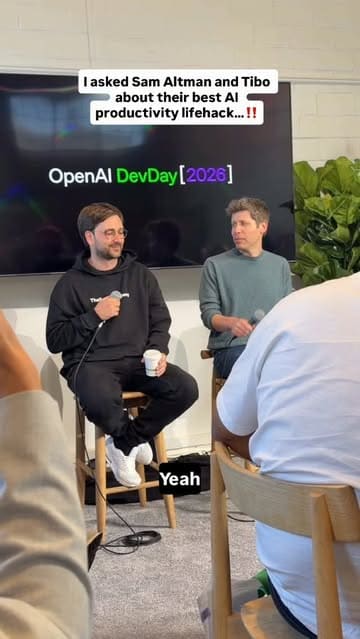
OpenAI is done. 🪦 In Silicon Valley, every company is one pivot away from becoming an ad stack. You pivot to ads the minute you realize your business model is failing — you've gained scale, and selling ads keeps you afloat. That's where OpenAI is right now. Then look at DevDay: remote execution environments, sharing, Dots, a Decisions API that's a repurposed small model copying Jev. Nothing new. Competitors shipped all of it first. They're burning cash and betting everything on the next front
comment “october” and I’ll send you the best ways to use this month’s launches :) october was a ridiculously big month in AI. the 5 worth your attention: 1. personal AI agents are everywhere 2. Meta & Google raised the bar 3. AI video popped off 4. AI-assisted hacking is real 5. AVORI IS HERE BABYYY
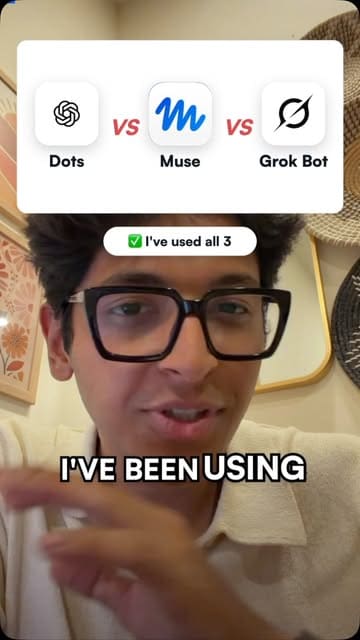
Which one do you like?👀 I've been using these personal assistants, like ChatGPT, Muse from Meta, and Grok bot, for the past 3 to 4 weeks now. This is my ultimate breakdown of what does what and which specializes in what use case.
 BBrand
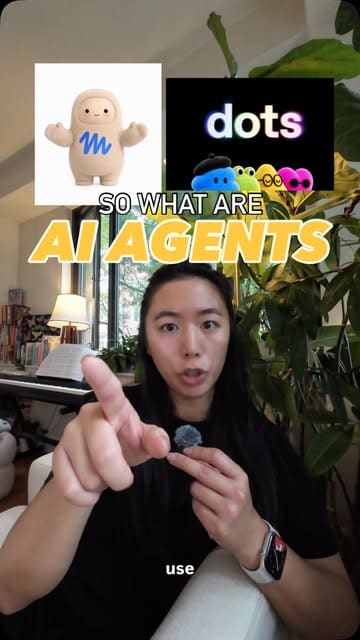
 Muse

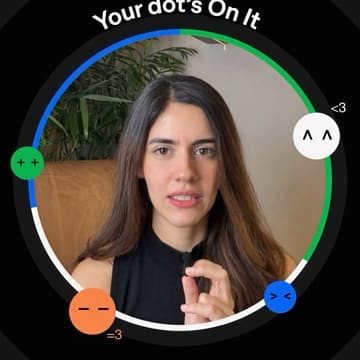
 OpenAI




 Claude