Videos that show the style you’re looking for, the strongest work that matches first. 20 in all. Trending now
02UI
9.2K · 2mo2×
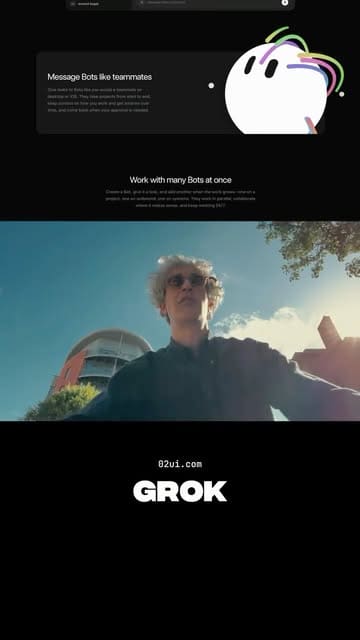
3 steps to set up Grok Bot by @spacex 1- Download the second brain at 02ui.com/grokbot 2- Let 1 agent to interview you 3- Then build the agent team you need. Enjoy 😉
AI second brain for client work (free template) AI starts from zero every time you open a new chat. This is the memory setup I use so it doesn’t. One memory file for me, one for the company, one for every client we manage, all wired together so they actually talk to each other. Each client file holds who they are, what they sell, what they like, what they hate, and every meeting note we’ve taken. Copy the template here, free, no email needed: 02ui.com/hyper I wrote the longer version of thi
The design skill that survives every tool panic. In 2018 the whole industry moved from Sketch to Figma in about 6 months. Before that it was the template panic. Every time, the same shape. Everyone panics, then designers find the thing that keeps them useful. Now it is AI. Same story, more volume. So here is my question, and I want a real answer in the comments, not a like. What is the underrated thing that matters today and will still matter in 5 to 10 years? I wrote my answer in a blog post
ADHD and AI: you build fast, but who tests it? You have an idea, you build it in an afternoon, and you jump to the next one. Sound familiar? AI makes building fast. We learnt that the hard part comes after you build. In this video we show what we do with Yapster and our invoicing app once they’re built. What’s the last thing you built with AI? Do you still use it? Tell us in the comments…
Why AI Isn’t Making You Lazy Does AI make people stop thinking? I used it for months, and my answer might surprised you. A lot of people say AI makes us lazy. I get why. If you hand it every decision, it will take them all. I did the opposite, and it changed how I work. In this video I share the one thing I built that keeps me thinking, planning and moving forward. If you’ve followed this channel for a while, you’ve heard me go on about this like a broken record. THE SECOND BRAIN! Get the se
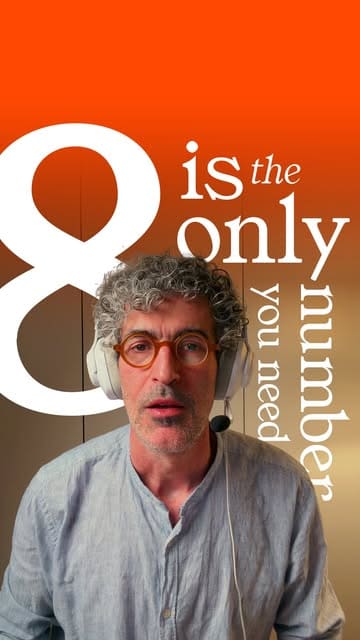
The 8 point system in 60 seconds. Padding, gaps, and why 17 and 19 make a card feel wrong even when nobody can point at it. Take the number 8 and use the increments. 8, 16, 24, 32. That is the whole vocabulary. More free UI lessons on 02ui.com
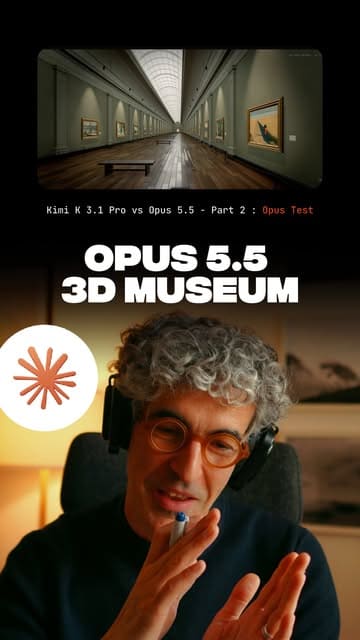
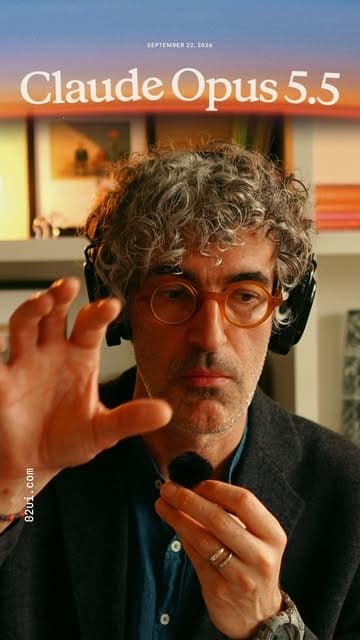
Opus 5.5 rebuilt our blog as a 3D museum in 70 minutes! We gave Opus 5.5 our old 3D blog museum, 1 reference image and a short prompt. It worked for about 70 minutes on Extra effort. The same run would cost around $30 through the API. You can walk through it, hear your footsteps, and click any painting to open the blog post behind it. It still has a few bugs, but we loved it, so it is now the museum on our website: 02ui.com/archive The full Kimi K3.1 vs Opus 5.5 test and both prompts: 02ui.co
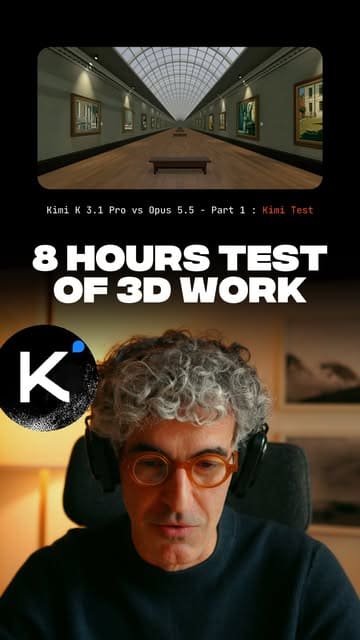
8 hours of Kimi K3.1 Pro: our 3D museum before and after. We tested Kimi K3.1 Pro on 3D work for 8 hours, and the result surprised us. Our last test was with Fable 5. It finished faster, but it gave us far less. For 3D work, Kimi wins for us. The jump from our previous museum is huge. The newest version is already live on our website, and we are really happy with it: 02ui.com/archive We also tested Opus 5.5 on the same museum. That video comes out tomorrow, so stick around.
This animation is JavaScript. Claude Opus 5.5 built it from my notebook! I saw an animation on YouTube and nearly saved it for later. I made my own version the same day. It had 12 scenes and told a story. I wanted a story of mine, so I wrote the 12 stages of my design career in my notebook, the sliding door moments. Then I gave Claude Opus 5.5 the creator’s prompt and told it to reverse-engineer the prompt, use my stages and surprise me. An hour and a few iterations later, I had this. Every f
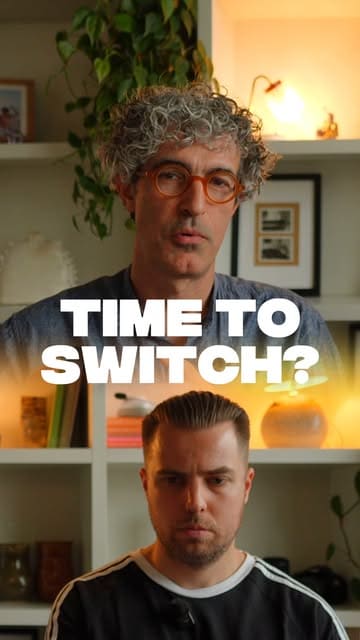
Use Your Strongest AI Model for the Key Decisions. The design decisions are agreed. Do we still need the strongest AI model to carry them out? We explain why we switch models at this point, using a familiar comparison: how an agency assigns work once the senior designers have set the direction. Do you switch models as the task changes?
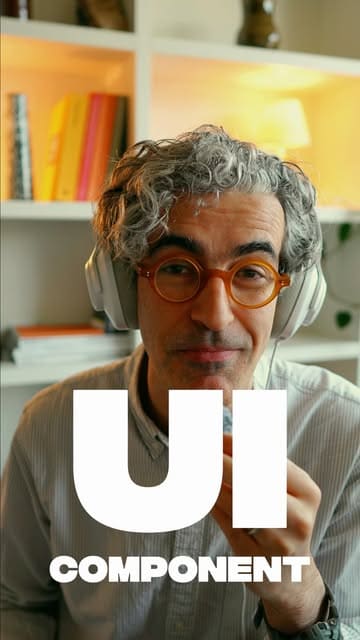
I drew the anatomy of every UI component. Here’s why. I’d been taking notes on sites I wanted to recommend to you for a while. Then I noticed something. Almost none of them have a proper component page. Variants, states, common mistakes, how it actually behaves in a real product, the questions people keep asking. Nothing from A to Z. So I built one myself. 02ui.com/components. I even drew the anatomy of every component. And added the comparisons nobody bothers to explain: button vs link, tool
I’m building 3 AI agents that work 24/7. The third one tries to kill every idea the first 2 find. Agent 1 is the Labs agent. It watches market sentiment, looks for business opportunities and reports back to me or my business partner. The Lab have to be better each day than previous one. Agent 2 is the opportunity agent. Every day it crawls the internet for gaps: content to make, digital products to build, AI-native solutions you can fit into your own workflow. This can bring lots of surprises
We need a name for our app. Help us! We built an app. You press a button, you talk, and you get your transcript as fast as possible. There are 2 versions: Free: it does everything the paid dictation apps do. Paid (optional): extra features so you can customise it. Think of it as a way to support the channel. The price stays low. The problem: someone already has the name Yapster. We asked Claude, friends, and friends of friends. Now we ask you. What do we call it? Put your name idea in the c
xAI shipped Grok Bot on 11 August. Agents that get their own cloud computer, sign into your tools, and finish the job while your laptop is off. Can (@mchoskan) and I said the same thing at the same time: this is the Apple device of AI. Mostly because of how simple it is. Then the price. $300 a month, on top of the stack we already pay for. That’s a hard sell when you’re a small team. So we’re building our own version. Part 2 shows what we ended up with. Would you pay for it, or build it?
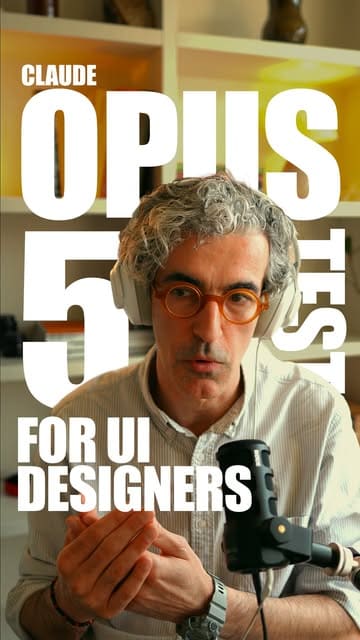
I skipped Opus 5 when it came out. I said just another model, and I did not think it would change much for me. I finally gave it a real task (with a purpose) this morning instead of a random generic tutorial. I wanted a component library like the ones I taught in design school. Every resource I have seen shows you the anatomy of a button or an input, but skips the reasoning. Why this padding. Why this state. The industry logic that never gets written down… Perhaps I will be adding frequently as
Never show a client a flat screen again! I hand the client a device and shut up. The meeting ends with a yes. Your client knows their users better than you do. A flat screen hides that from you. So I stopped presenting screens. I put a device on the table and let them tap through 3 different journeys. They stop talking about the logo size and start telling me what their customers actually do. The meeting ends with a yes or a clear direction, not a maybe. The same prototype goes to the develope
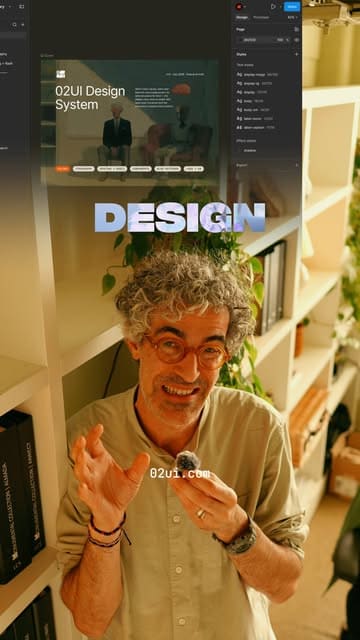
My design system now lives in 3 places. Figma, GitHub, and a single HTML file I can open in a browser. I built a small design system in Figma, then ran an audit on it with Fable 5 to find what I had missed. Components after that. Standard stuff. The part that changed my week: I exported it as a DESIGN.md file and an HTML page, so the system lives in Figma, in GitHub, and in a browser tab. Then the blog post needed research charts. I was going to design them one by one. Instead I handed the wh
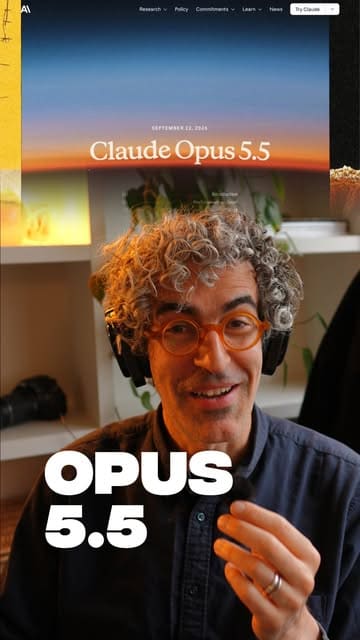
I complained about Opus 5. They released Opus 5.5. The same DAY I complained about the price and performance of Opus 5, Anthropic released Claude Opus 5.5. They say it performs at the level of Fable 5.1 on most work, for 40% less than Opus 5. I looked at Fable 5.1 and Opus 5.5 side by side. Honestly, as a designer, I can’t tell the difference from the numbers. I judge the output. It’s either good or it isn’t. I also judge how it feels to use (and that’s why I keep coming back to Anthropic’s mo
Plan Dark and Light Mode From the Beginning. We’re starting our banking interface in dark mode. So when should light mode enter the conversation? We make that decision before building the foundations, keeping both modes in the requirements from the start.
I asked an AI agent to drop a video into a blog post while I was on the train home. It broke my site instead. I found out at 4am. The old me would have blamed the tool. This time I opened GitHub, read what changed, rolled back to the last working version, and then looked at my own instruction. Vague, sent at 10pm, reviewed by nobody. Version control is the boring thing that saved me (and I still barely understand it). Have you had one of these nights?
 BBrand
 02UI

 Kimi
 Claude


 Grok
 Figma

 Cursor